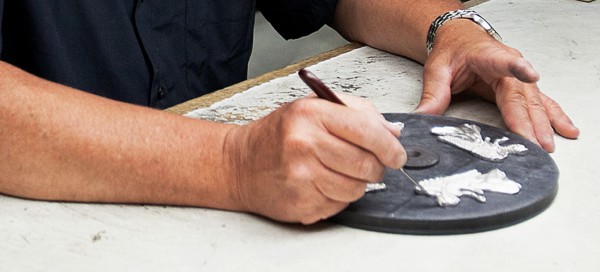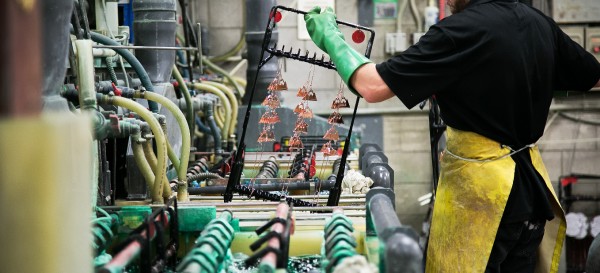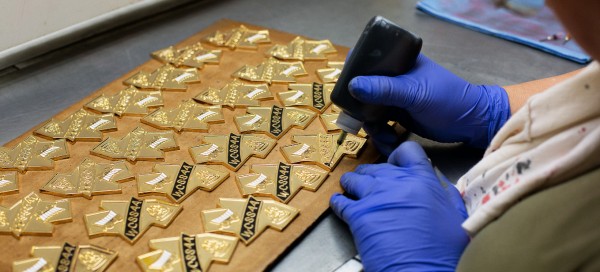
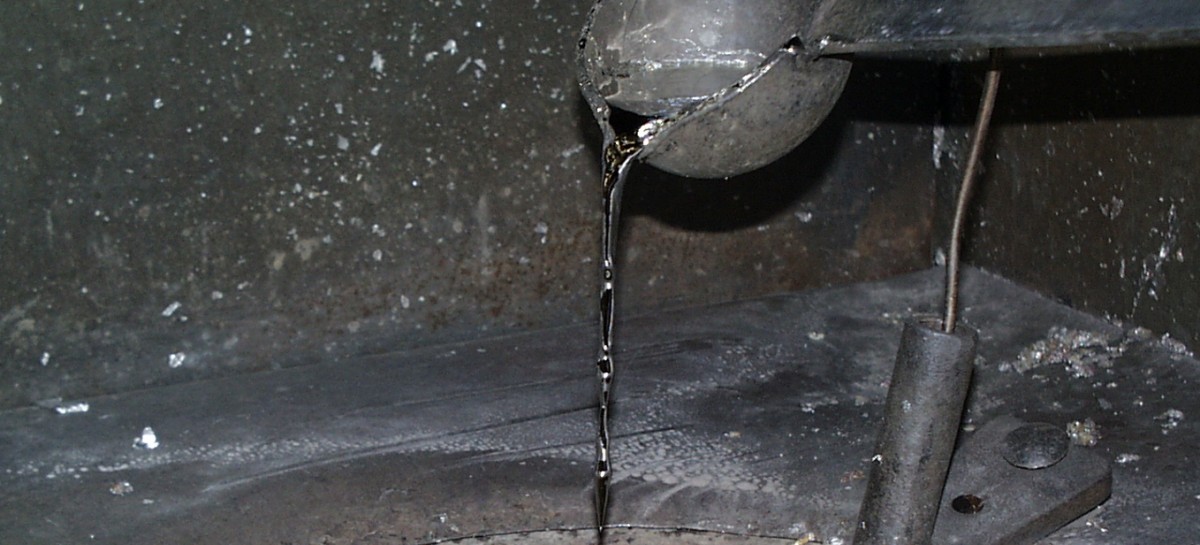
This casting method uses centrifugal force to spread molten metal into a rubber mould.
What is centrifugal casting?
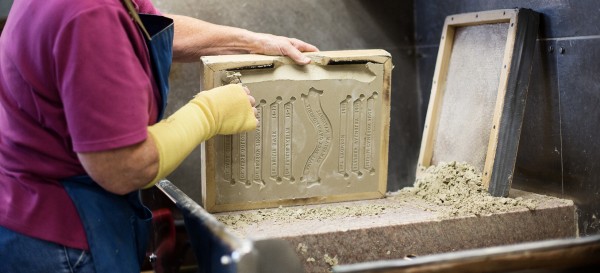
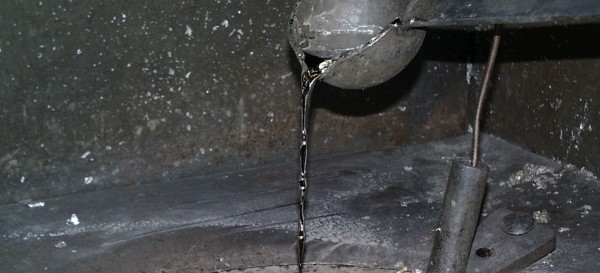
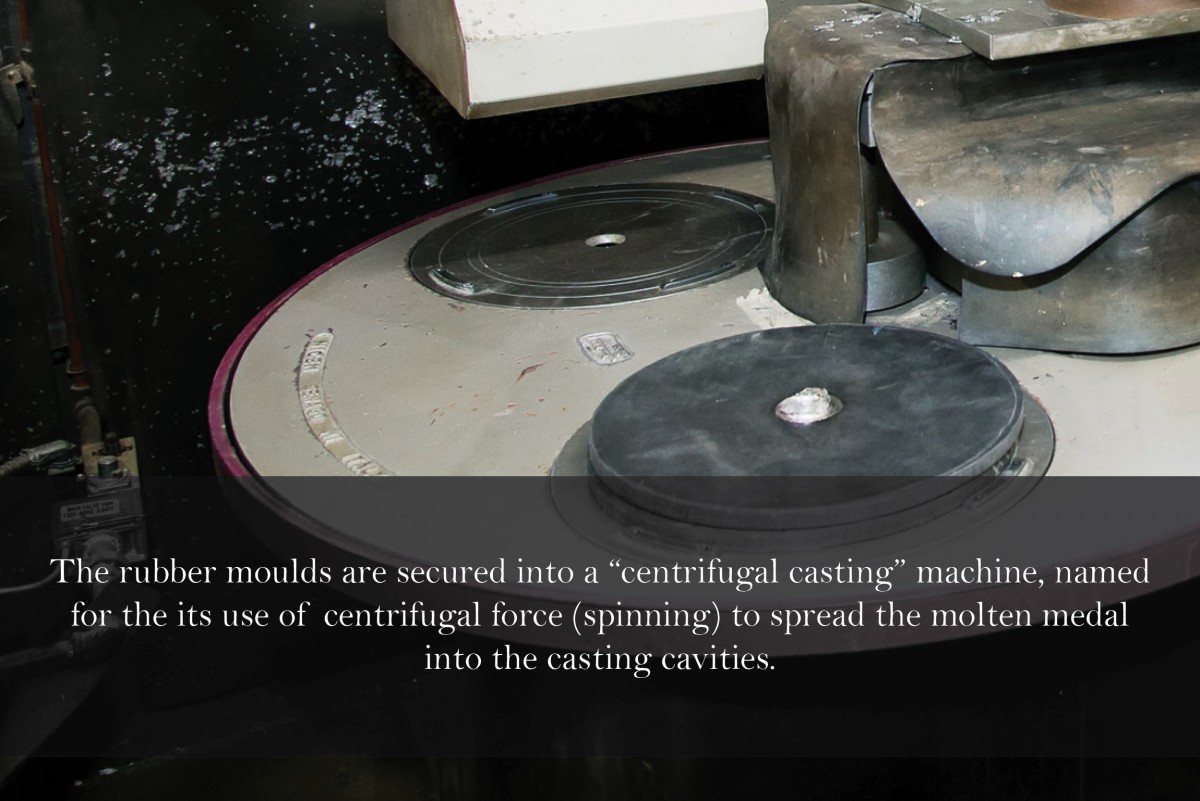
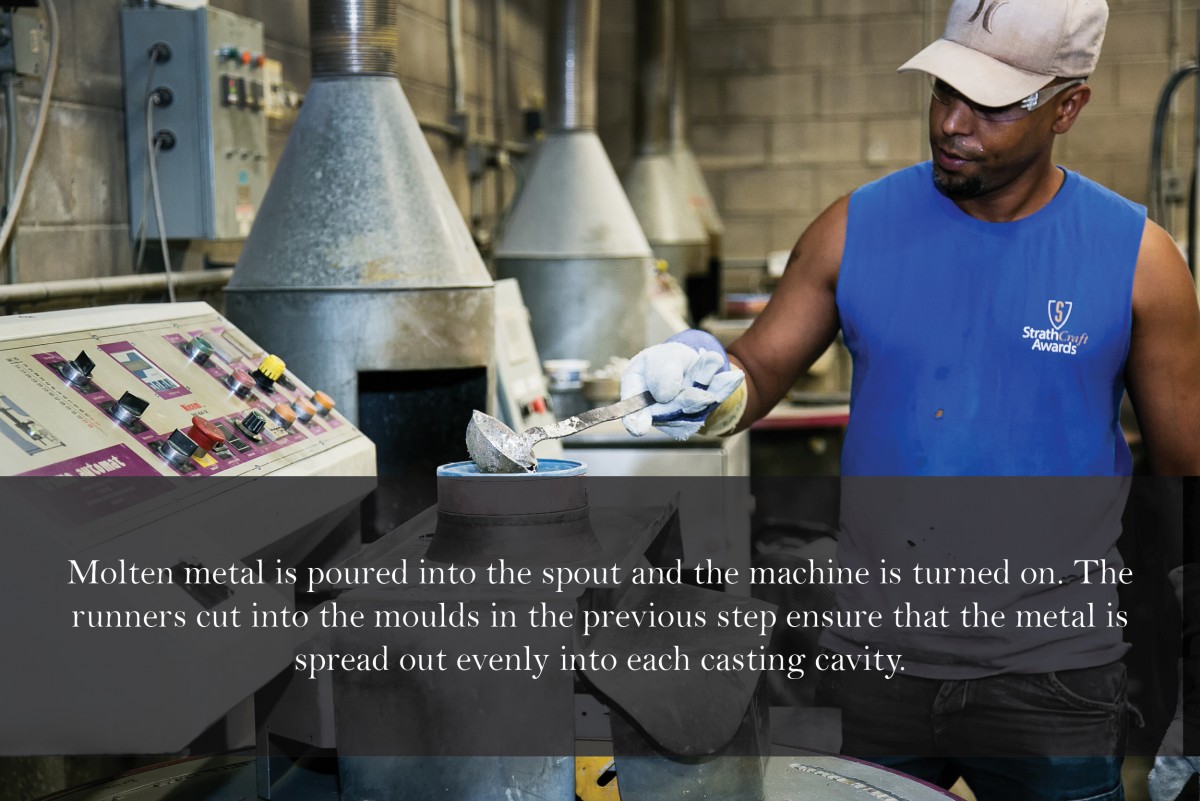
Centrifugal casting gets its name from centrifugal force. A rubber mould is secured in a casting machine and spun, and the spinning pushes molten metal outward into every cavity of the mould. This is what lets us reproduce small, detailed designs consistently, piece after piece.
How do we centrifugally cast at Strath Craft?
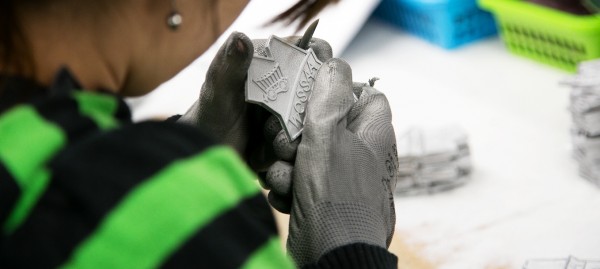
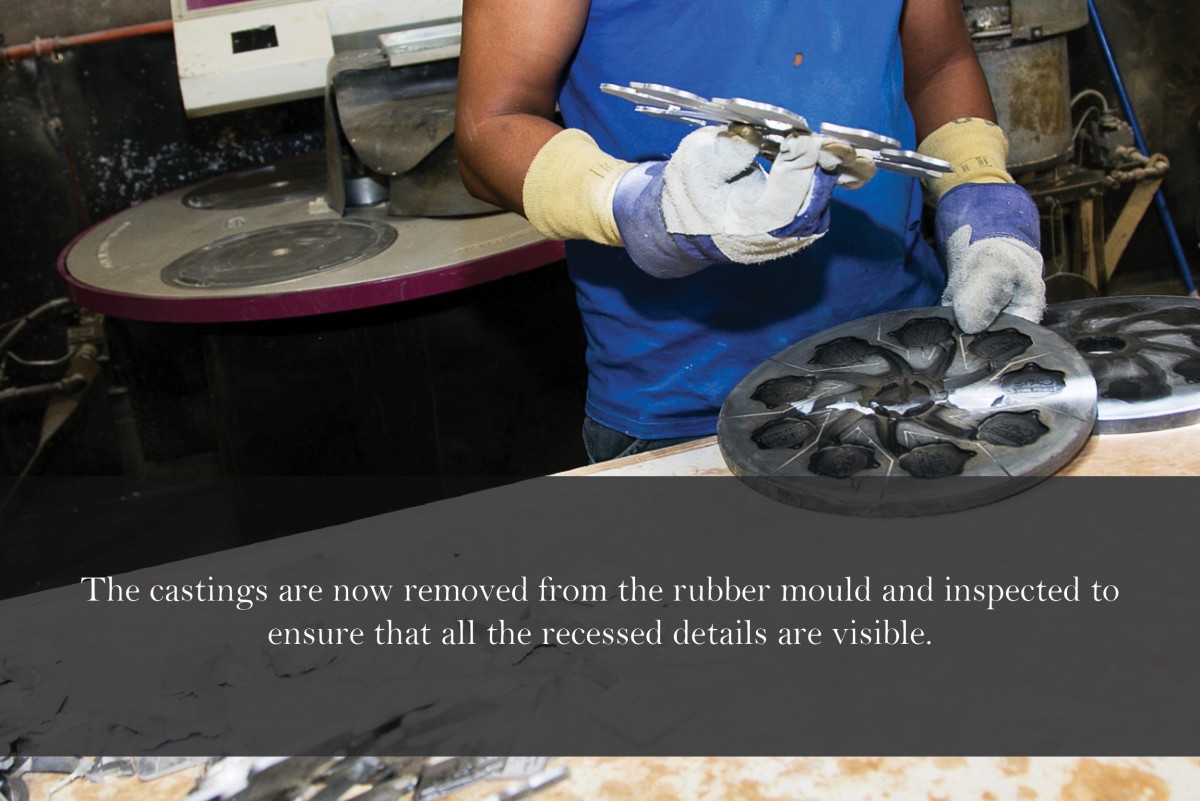
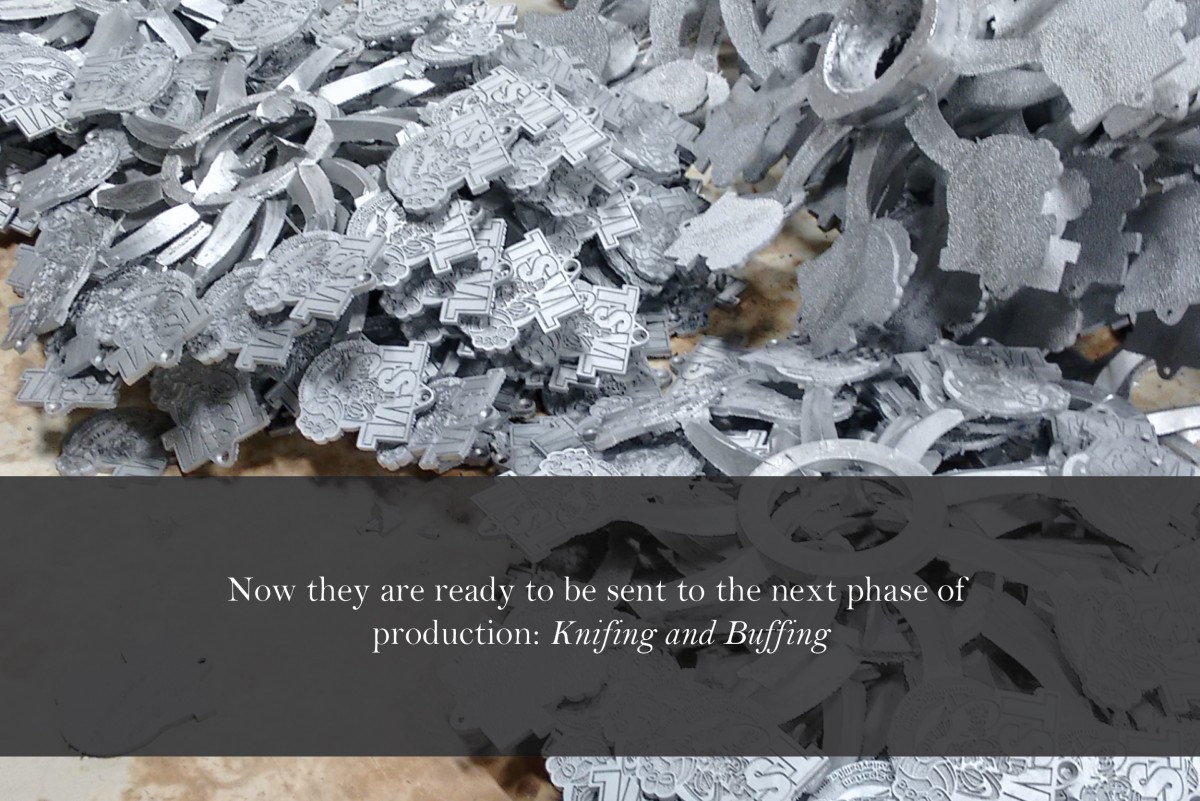
Once our mould makers have finished a rubber mould, it's secured in a centrifugal casting machine in our London, Ontario foundry. After casting, the pieces cool and harden before moving on to knifing and buffing.
We cast primarily in lead-free pewter, which we use wherever the metal will be exposed or the detail is extremely fine, and in a durable casting alloy for everything else.
What is centrifugal casting used for?
Centrifugal casting is our process for repeated items, and we produce thousands of medals every week. Typical sizes include:
- Custom medallions: 1.75" to 3.5"
- Lapel pins: 0.75" to 1.5"
- Cast crests: 3.75" to 5"
- Keychains
Have a project in mind?
Our team can help with your design, finish and pricing.
Request a QuoteOr call us at 1-877-661-1103